Things to Do in Porto
Port wine, granite hills, and a city that earns everything the hard way
Top Things to Do in Porto
Find activities and tours you'll actually want to do. Book through our partners -- no booking fees.


Plan Your Trip
Essential guides for timing and budgeting
Climate Guide
Best times to visit based on weather and events
View guide →Day Trips
The best excursions and nearby destinations worth the journey
Explore day trips →Where to Stay
Best neighbourhoods, hotel picks, and booking tips
Find hotels →Travel Insurance
What's required, what coverage matters, and how to get a quote
Read guide →What to Pack
Climate-specific gear, essentials, and what to leave at home
See packing list →When Should You Visit Porto?
Tap a month for weather, crowds, and highlights
View full year-round climate guide →Explore Porto
Casa Da Guitarra
City
Clérigos Tower
City

Dom Luís I Bridge
City

Foz Do Douro
City

Igreja Do Carmo
City
Jardins Do Palácio de Cristal
City

Livraria Lello
City

Majestic Café
City
Mercado Do Bolhão
City
Palácio Da Bolsa
City

Porto Cathedral (Sé Do Porto)
City

Ribeira District
City
São Bento Station
City

Serralves Museum
City
Vila Nova de Gaia
City
Your Guide to Porto
About Porto
Porto shouts in blue. Azulejo tiles coat churches, stations, and everyday apartment fronts, snatching Atlantic light and flinging it back in cobalt and indigo. Walk from São Bento station, its vestibule lined with 20,000 hand-painted tiles of battles and royal processions, down through the steep granite lanes of the Ribeira to the Douro waterfront.
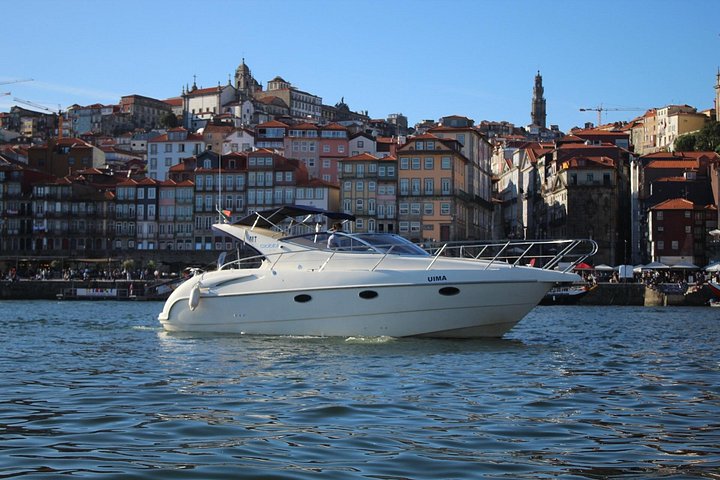
You will know why the rest of Portugal quietly admits this is the more honest city. Lisbon performs. Porto works. Buildings along Rua das Flores lean at angles that would worry a structural engineer. Iron balconies drip geraniums above wine bars that were corner groceries five years ago. At the river, the Ribeira's terracotta rooftops pile up the hillside in accidental geometry that has survived six centuries of flooding.
Across the Dom Luís I Bridge in Vila Nova de Gaia, the port wine lodges, Taylor's, Graham's, Sandeman, still age tawny in oak barrels in cellars scented with damp stone and dried fruit. Porto's francesinha, the city's gift to the sandwich hall of fame, stacks cured meat, fresh sausage, and steak under melted cheese, then drowns the lot in hot beer-and-tomato sauce no cardiologist would sanction.
Love it on the first bite or take two tries. Both are valid. The city is steeper than you expect. Summer heat ricochets off granite and turns brutal by early afternoon. The payoff is a grilled-sardine lunch with cold vinho verde in Matosinhos that costs about what a single glass of wine runs in central Lisbon. Locals still outnumber visitors in every neighborhood that matters.
Travel Tips
Transportation: Porto's metro links the airport to the city center in under 30 minutes. The Andante card covers metro, buses, and the few commuter trains you might ever need. Top it up at any station kiosk. Heritage Tram 1 follows the Douro to Foz do Douro and earns one ride for river views. Locals ride the bus. For the historic core, walking is the only real choice, though calling it walking undersells the workout. Porto rises on granite ravines. A five-minute stroll on the map can turn into a near-vertical staircase. Comfortable shoes are non-negotiable.
Money: Portugal uses the euro. Porto accepts cards almost everywhere, even market stalls and tascas that look untouched since the Carnation Revolution. Stick to Multibanco ATMs, the reliable national network. Skip the Euronet machines clustered near tourist sites. They slap on aggressive conversion fees. Tipping is not expected like in North America. Round up or leave loose change if you like. Leaving nothing draws zero judgment. Porto is markedly cheaper than Lisbon for lodging and food, and far cheaper than Paris or Barcelona. A morning at Bolhão Market shows how far your money stretches.
Cultural Respect: Porto's residents are famously blunt, sometimes gruff, and warmer than first impressions let on. Say bom dia when you enter a shop or cafe. It goes further than you expect. Skip the greeting and you register as rude. The rivalry with Lisbon is personal and deep. Call Porto basically Lisbon but smaller and the conversation ends. Churches enforce modest dress codes, shoulders and knees covered. Locals take this seriously even when they themselves are largely secular. Meal times run later than northern Europe: lunch around one, dinner rarely before eight. Arrive at a restaurant at six and you might as well wheel your suitcase across the cobblestones.
Food Safety: Porto's francesinha is the mandatory first meal: cured ham, linguiça sausage, and steak under melted cheese, drowned in hot beer-and-tomato sauce whose recipe every restaurant guards like treasure. Order it in Cedofeita or Boavista, not on the waterfront where you will pay more for a worse version. For seafood, ride the metro one stop past the center to Matosinhos. Charcoal smoke from sidewalk grills hangs in the air from noon on, and the fish comes off the boats that same morning. Tap water is safe everywhere in the city. And the pastéis de nata, Porto will insist, are better here than Lisbon's. They happen to be right.
When to Visit
Porto's weather splits into a dry, warm summer and a rainy, mild winter, and the gap between peak and off-season pricing is large enough to reshape a trip budget entirely.
June through August brings the warmest days, temperatures climbing into the high twenties Celsius (low to mid eighties Fahrenheit), with almost no rain and daylight stretching past nine at night. This is peak season. The Ribeira and Clérigos areas pack tight with tour groups by mid-morning. Hotel rates climb roughly forty to fifty percent above shoulder-season prices.
The tradeoff is São João on June 23rd, Porto's biggest night of the year. The entire city pours into the streets with grilled sardines, plastic hammers you're expected to hit strangers with, paper lanterns launched over the Douro, and a collective euphoria that makes the crowds worth tolerating. If you time one trip around a single event, make it this one.
September and October are, for most travelers, the sweet spot. Temperatures settle around twenty to twenty-four Celsius (high sixties to mid seventies Fahrenheit). The summer crowds thin noticeably. The Douro Valley east of the city hits grape harvest season, when the terraced vineyards turn amber and the quintas open their doors for tastings.
Accommodation drops back to shoulder rates. Restaurant terraces still feel warm enough for evening dining without a jacket.
March through May is mild and changeable, fourteen to twenty-two Celsius (upper fifties to low seventies Fahrenheit), with rain still likely through April. The upside is shorter queues at Livraria Lello and São Bento. Lower prices across the board. The Jardins do Palácio de Cristal in full bloom, camellias and rhododendrons against a clear Douro backdrop that photographs better than anything you'll see in summer haze.
November through February is Porto's wet season, and it rains with conviction. Expect eight to twelve rainy days a month. Temperatures between five and fourteen Celsius (low forties to upper fifties Fahrenheit). The city feels like it belongs entirely to the people who live there. Accommodation drops to its lowest rates, sometimes half of what July commands.
The port lodges across the river are quieter. The tascas serve braised meats and thick caldo verde. The moody Atlantic light turns the granite facades the color of pewter. Pack layers and a proper waterproof jacket. If grey skies and damp cobblestones don't bother you, winter Porto is the most rewarding version of the city to get to know.
More Ways to Experience Porto
Tours, day trips, and local experiences curated by on-the-ground operators.
Didn't see anything interesting yet?
Browse Viator's full catalog of tours, day trips, food experiences, and private guides in Porto.
See All Porto Tours on Viator